
[= Leptura erythroptera Hagenbach, 1822]
[= Corymbia erythroptera (Hagenbach, 1822)]
[= Brachyleptura erythroptera (Hagenbach, 1822)]
Subfamilia: LEPTURINAE / Tribus: LEPTURINI
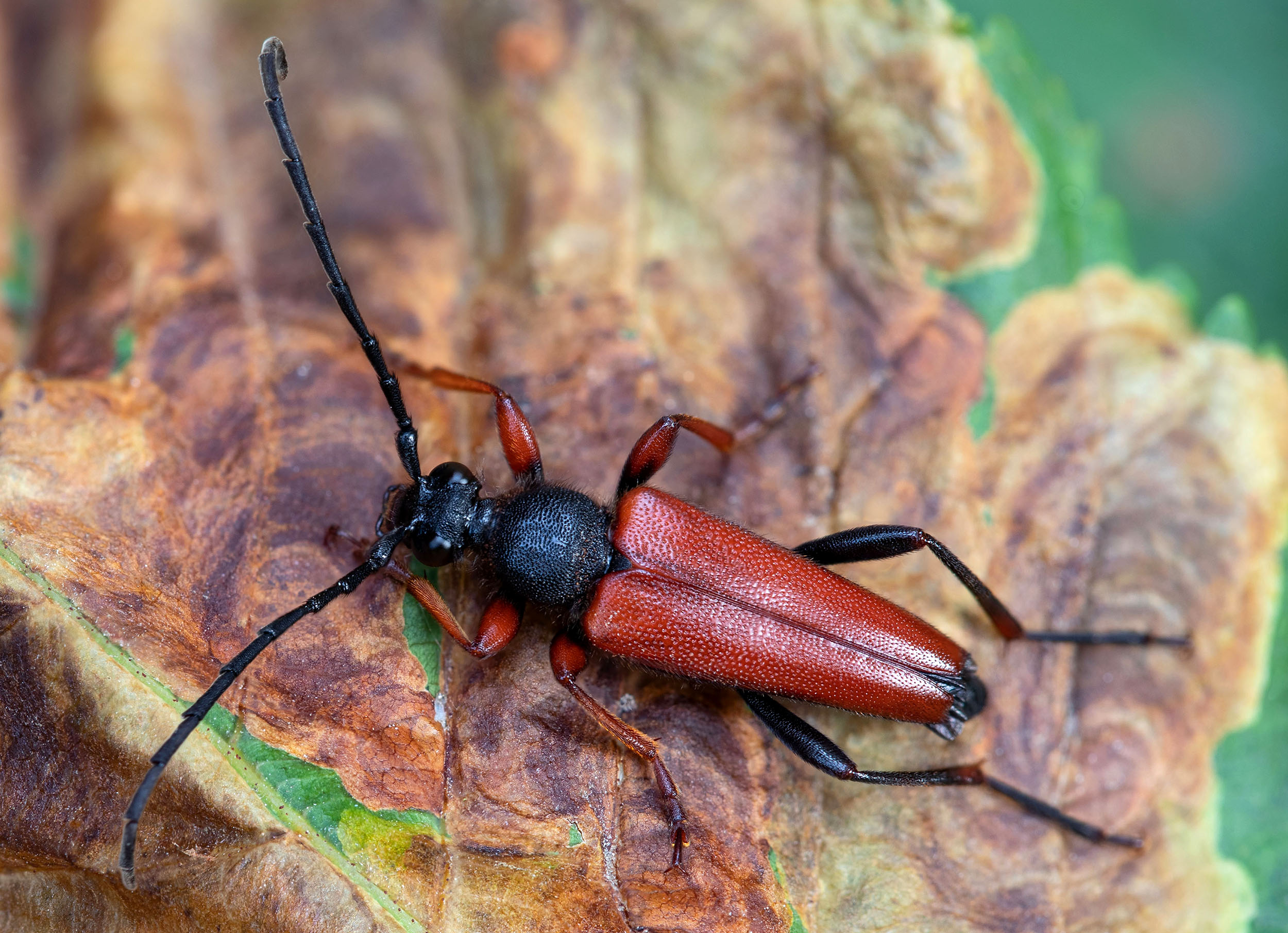
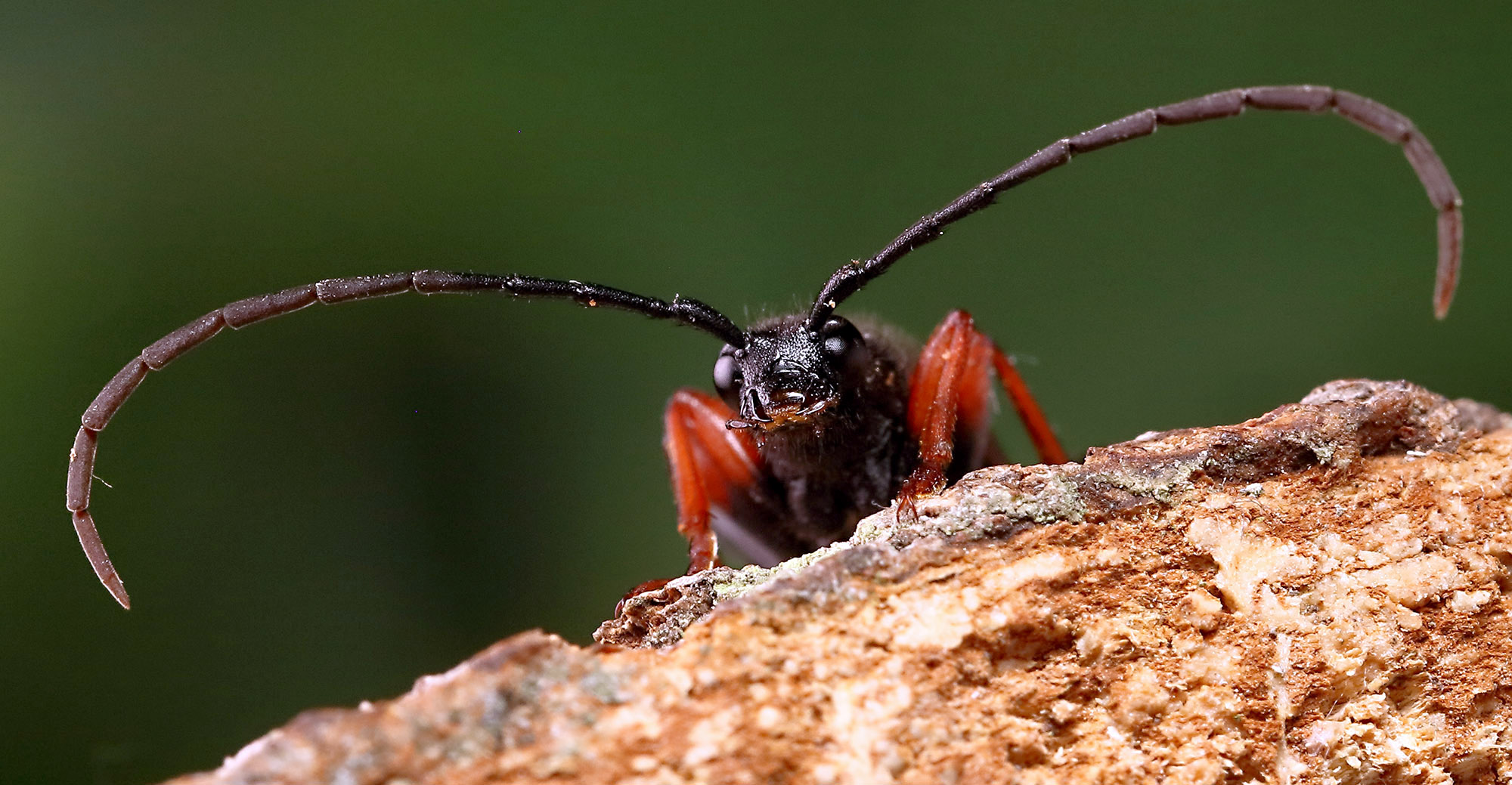
Stictoleptura (Stictoleptura) erythroptera ♂ [Photo © Daniel Rydzi]
Stictoleptura erythroptera, an elegant and rare species of preserved deciduous forests distributed in Europe, Caucasus/Transcaucasia, Turkey and Iran, has been described from Basel environs (Switzerland) as Leptura erythroptera Jacob Johann Hagenbach in 1822 [✩]. S. erythroptera is considered endangered (or even critically endangered) species in Central and Western Europe, which is associated with the primary deciduous forests and also belongs among the saproxylic Coleopteran bioindicators of the forests quality. Biology of this interesting beetle was described in work of Martin Rejzek and Karel Rebl in 1999 [❖], details with pictures are presented in the separate page. Adults, active from late May to August, are diurnal and can be found on the suitable host trees, rarely vist flowers [✱].
Body length: 12 - 19 mm Life cycle: 3 and more years Adults in: June - August Host plant: polyphagous in deciduous trees (Fagus, Quercus, Aesculus, Castanea etc.) Distribution: Azerbaijan, Albania, Armenia, Austria, Bosnia Herzegovina, Bulgaria, Croatia, Czechia, France, Germany, Greece, Georgia, Hungary, Italy, Romania, Russia, Slovakia, Spain, Switzerland, Bosnia, Montenegro, Turkey, Iran
The depicted living beetles were found in: (MP/ML) - hollow in the living beech (Fagus sylvestris) in Křivoklátsko Protected Landscape Area (Central Bohemia, Czechia) in summer 2020; (DR) - Boří les (Valtice environs, Břeclav district, South Moravia, Czechia) on June 22, 2020.Collected by Miroslav Polcar and Daniel Rydzi
[✩]
Hagenbach J.J.:
Symbola Faunæ Insectorum Helvetiæ exhibentia vel species novas vel nondum depictas.
J. Georgii Neukirch, Basileae 1: i-vi + 7-48, 1822. [download]
[❖]
Rejzek M., Rébl K.:
Cerambycidae of Křivoklátsko Biosphere Reserve (Central Bohemia) (Insecta: Coleoptera).
Mitteilungen des Internationalen Entomologischen Vereins e. V., Frankfurt a. Main, Supplement VI: 1–69, 1999. [download[✱]
Sláma M.E.F.:
Tesaříkovití – Cerambycidae České republiky a Slovenské republiky / Cerambycidae of the Czech Republic and Slovak Republic.
Milan Sláma private printing, Krhanice, 383pp [pages 245-246], 1998 [ISBN: 80-238-2627-1]. [downloadValladares L., Cocquempot Ch., Calmont B., Burnel L., Willm J. and Barnouin T.:
Mise a jour de l'aire de répartition de Stictoleptura (Stictoleptura) erythroptera (Hagenbach, 1822) en France (Coleoptera Cerambycidae).
L'Entomologiste, Paris 71 (5): 325-330, 2015. [download
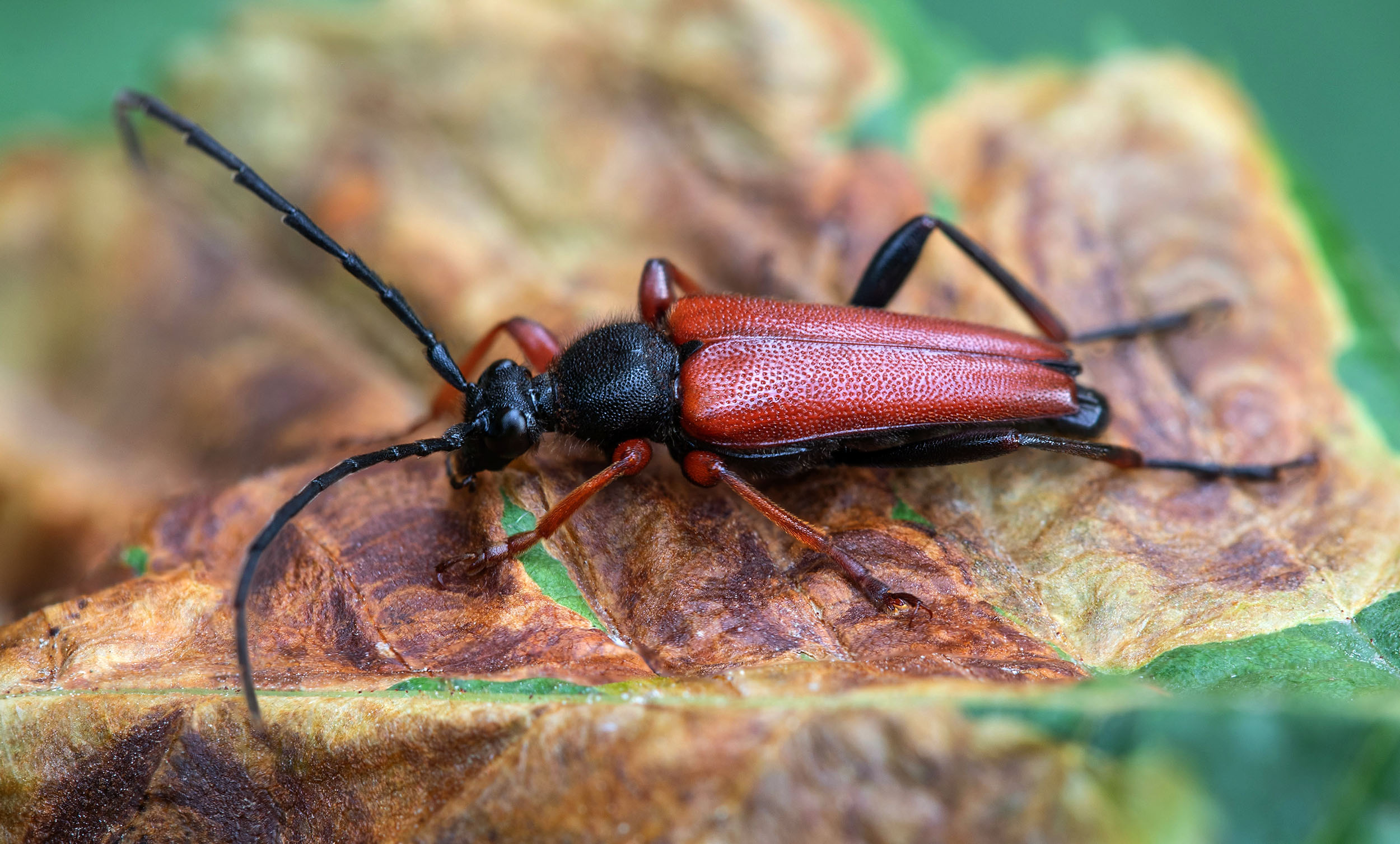
Stictoleptura (Stictoleptura) erythroptera ♂ [Photo © Daniel Rydzi]
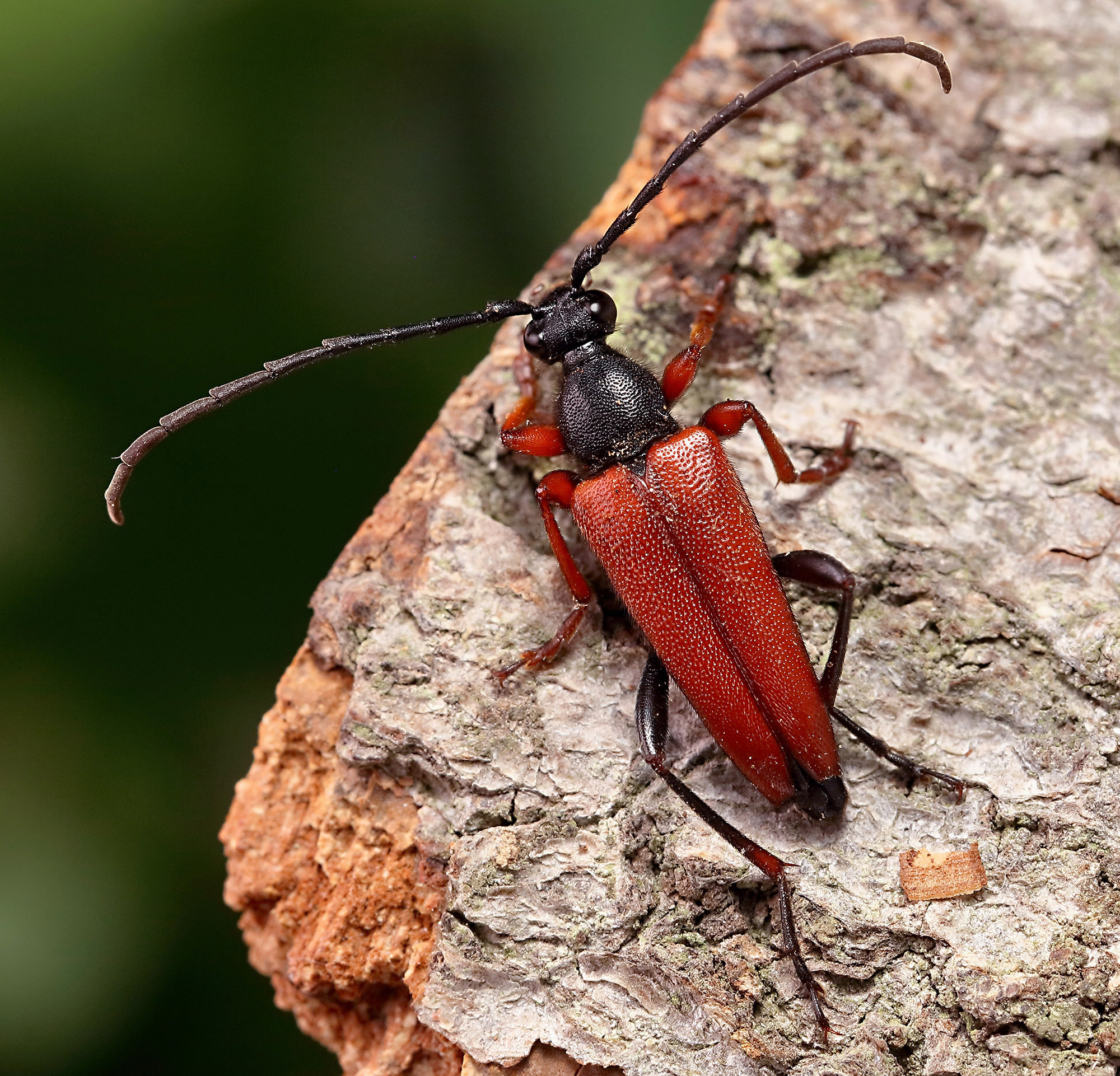
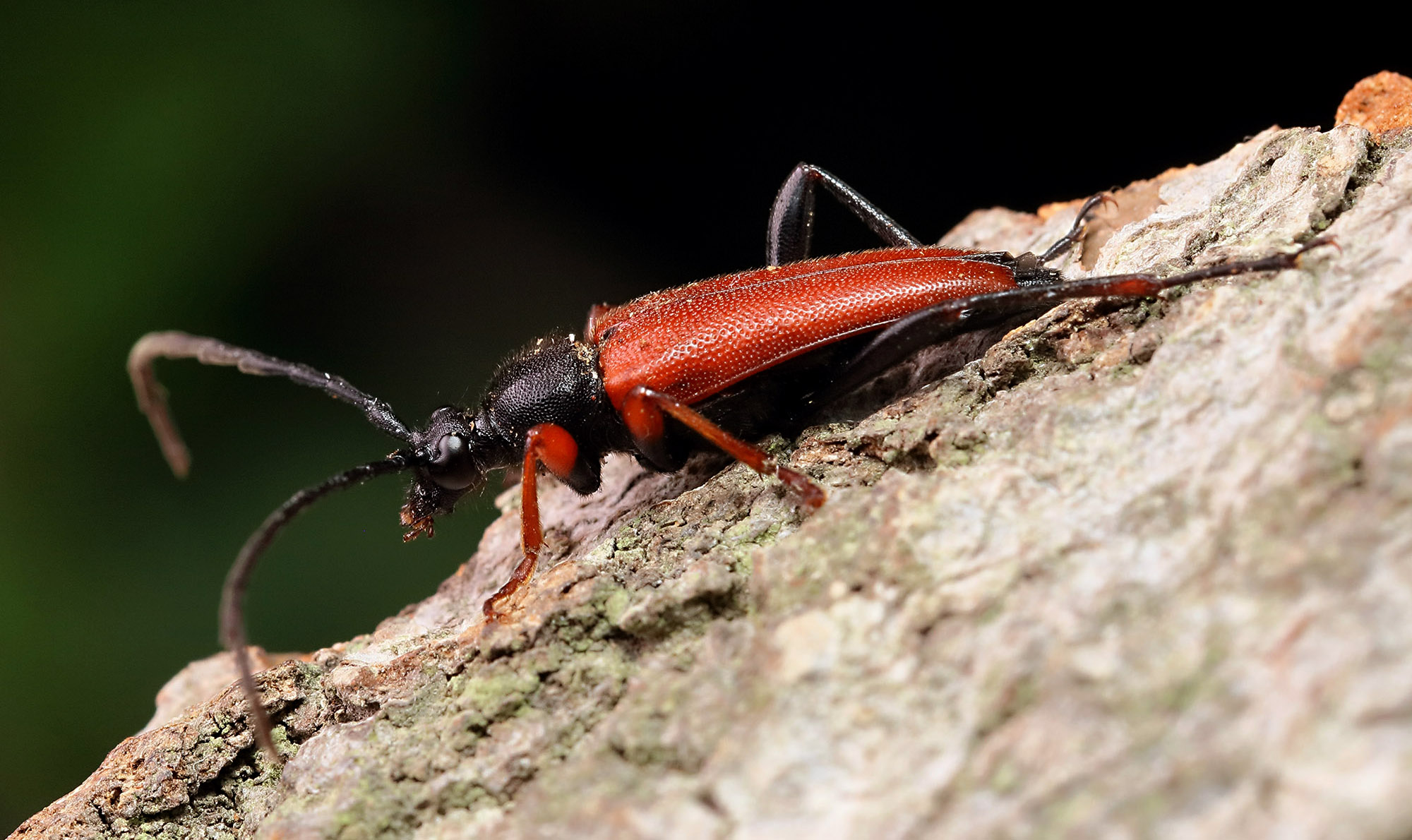
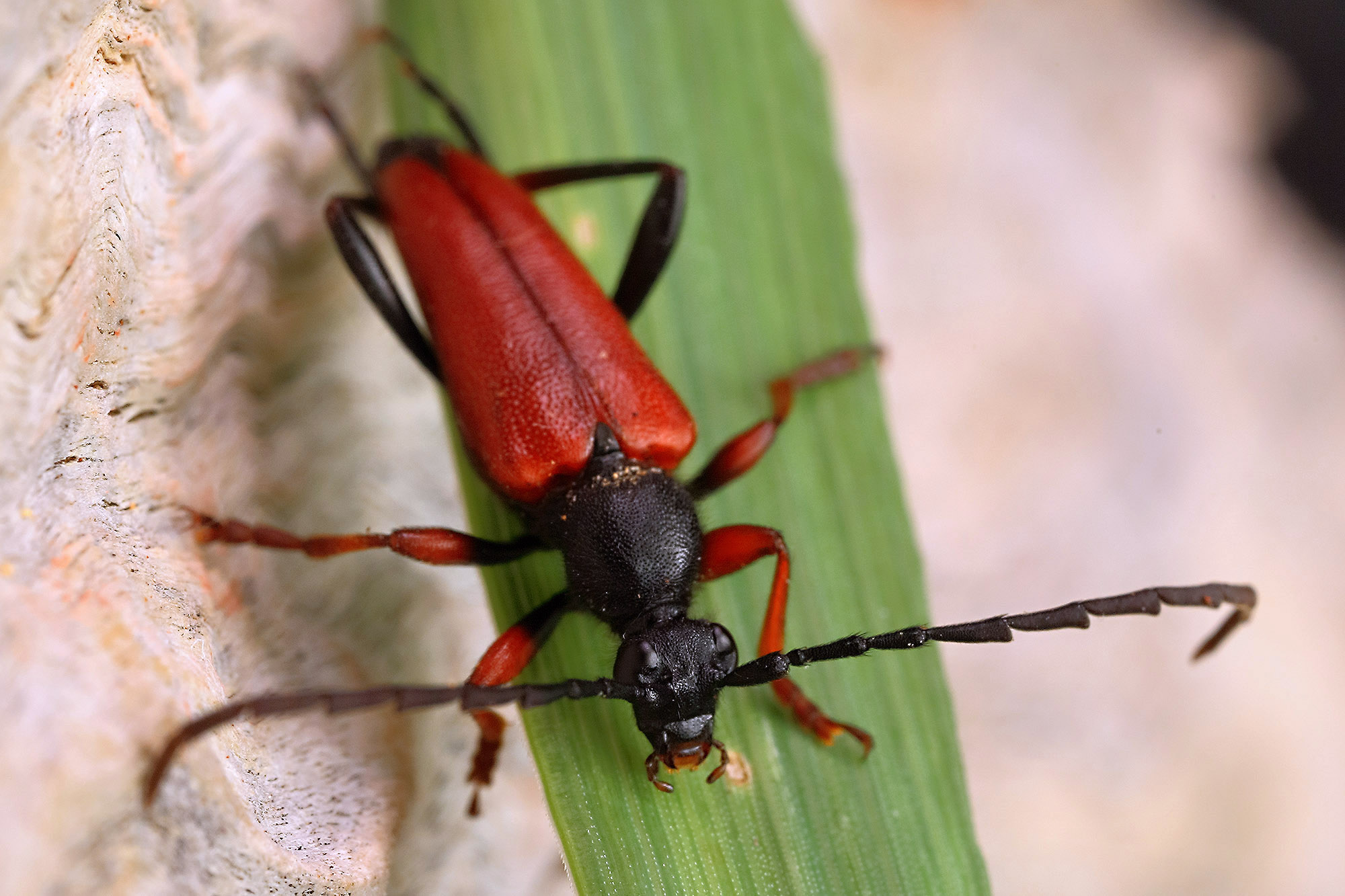
Stictoleptura (Stictoleptura) erythroptera ♂ [Photo © Milan Lovětínský]
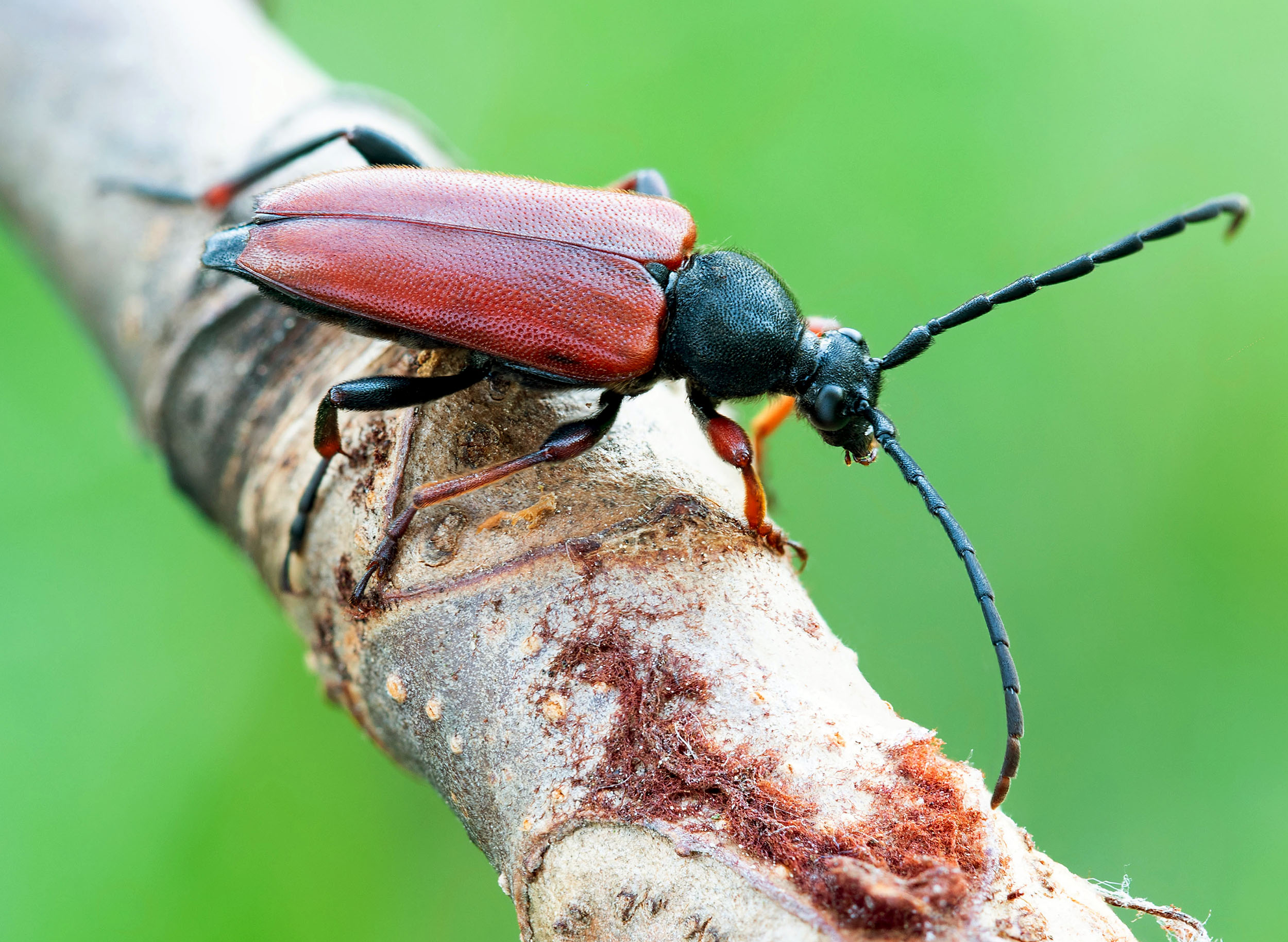
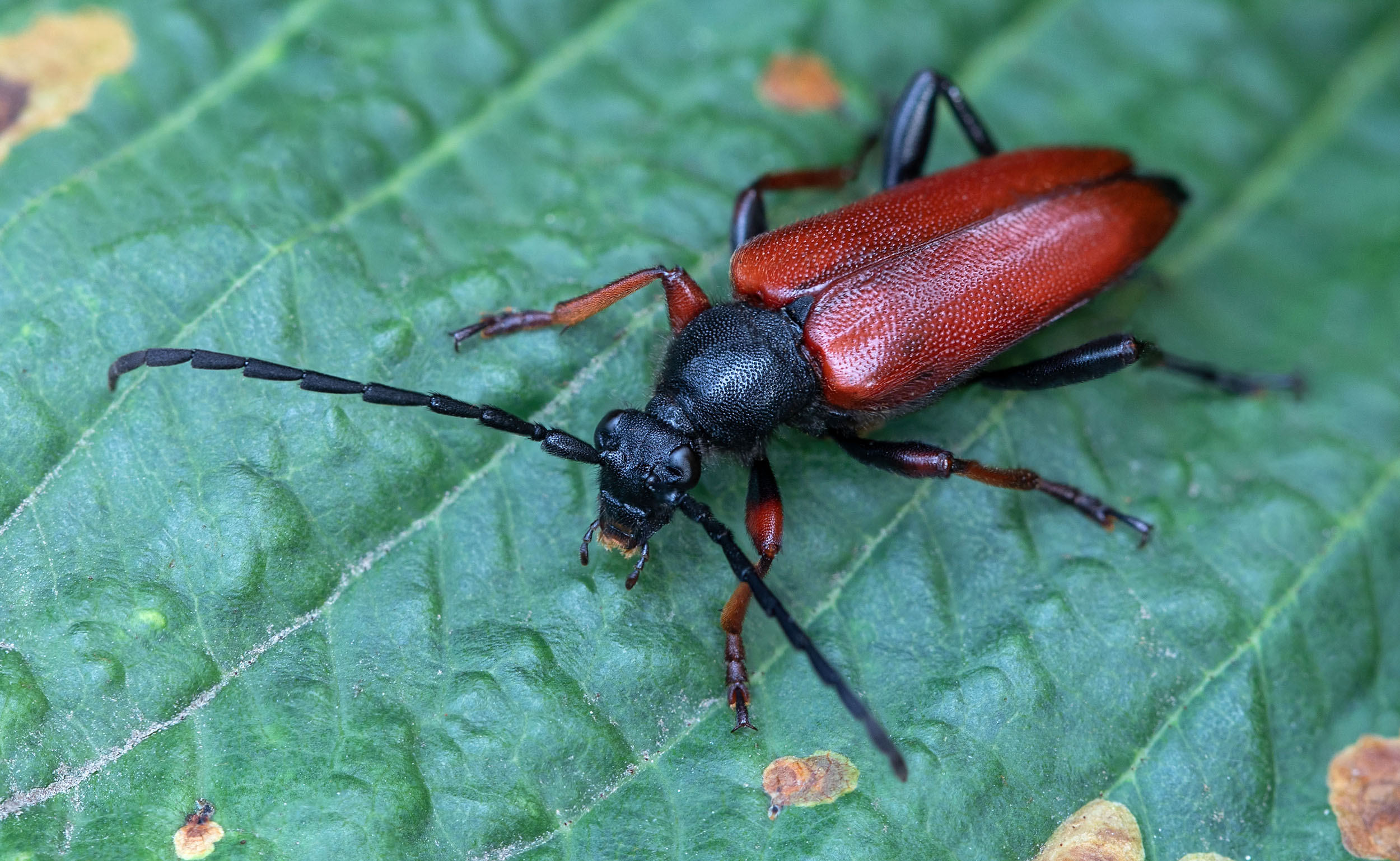
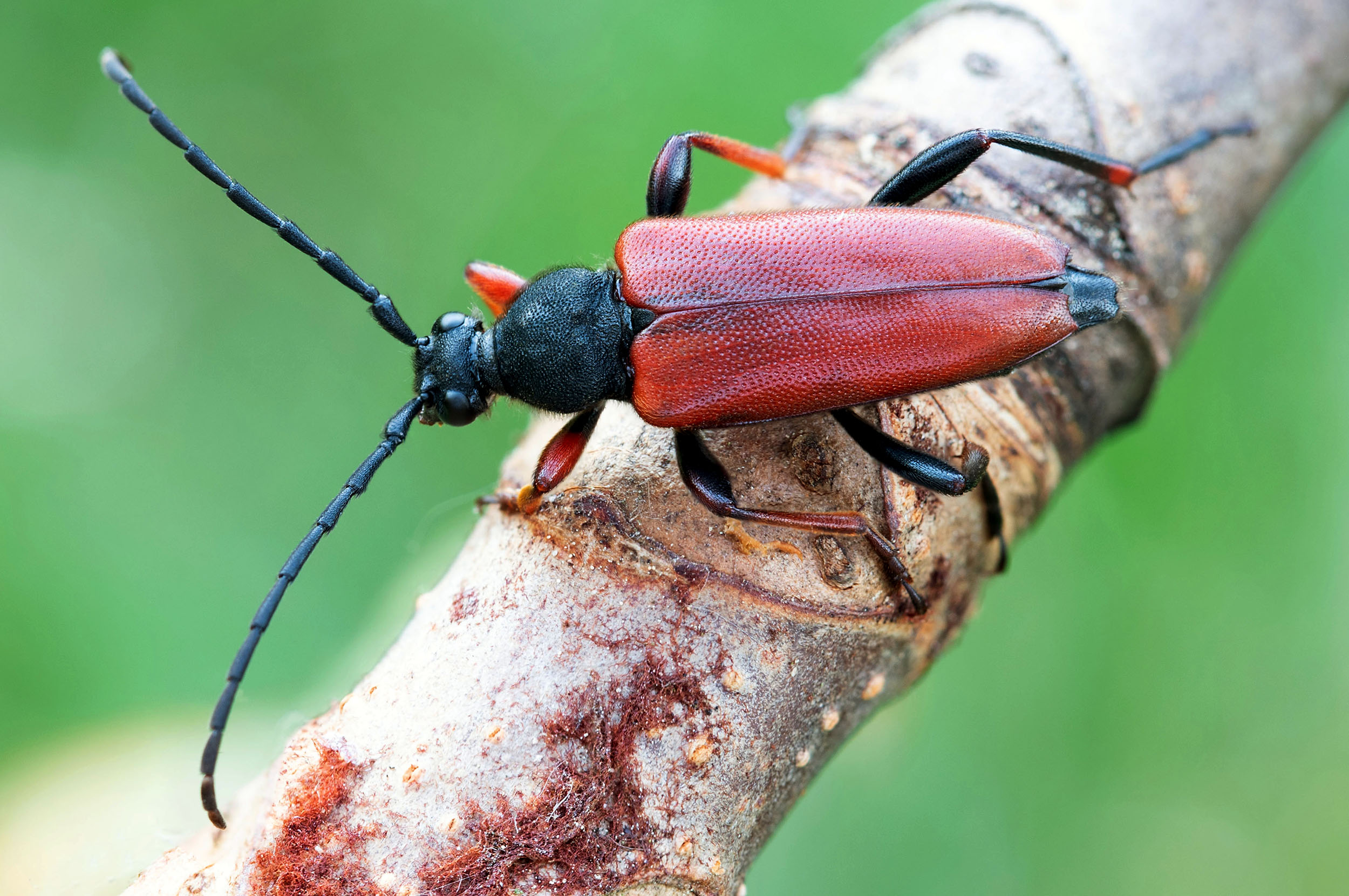
Stictoleptura (Stictoleptura) erythroptera ♂ [Photo © Daniel Rydzi]
| Subfamilia | Lepturinae Latreille, 1802 |
| Tribus | Lepturini Latreille, 1802 |
| Genus | Stictoleptura Casey, 1924 |
| Subgenus | Stictoleptura Casey, 1924 |
| Species | Stictoleptura (Stictoleptura) erythroptera (Hagenbach, 1822) |